Beyond Finance: How the NUS MBA Redefined Impact for Sophie Zhang
|
|
Sophie Zhang
|
A quest for broader horizons
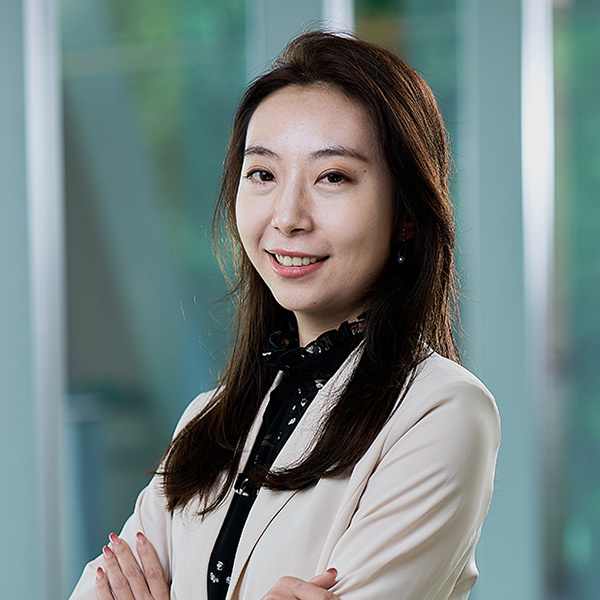
When Sophie Zhang decided to pursue The NUS MBA after several years in corporate banking at HSBC, it wasn’t because she lacked technical expertise. Instead, she wanted broader exposure beyond the structured world of MNC coverage in Beijing. She saw the MBA as a rare opportunity to step outside her familiar environment, explore different industries, and gain clarity about what kind of work she truly wanted to pursue.
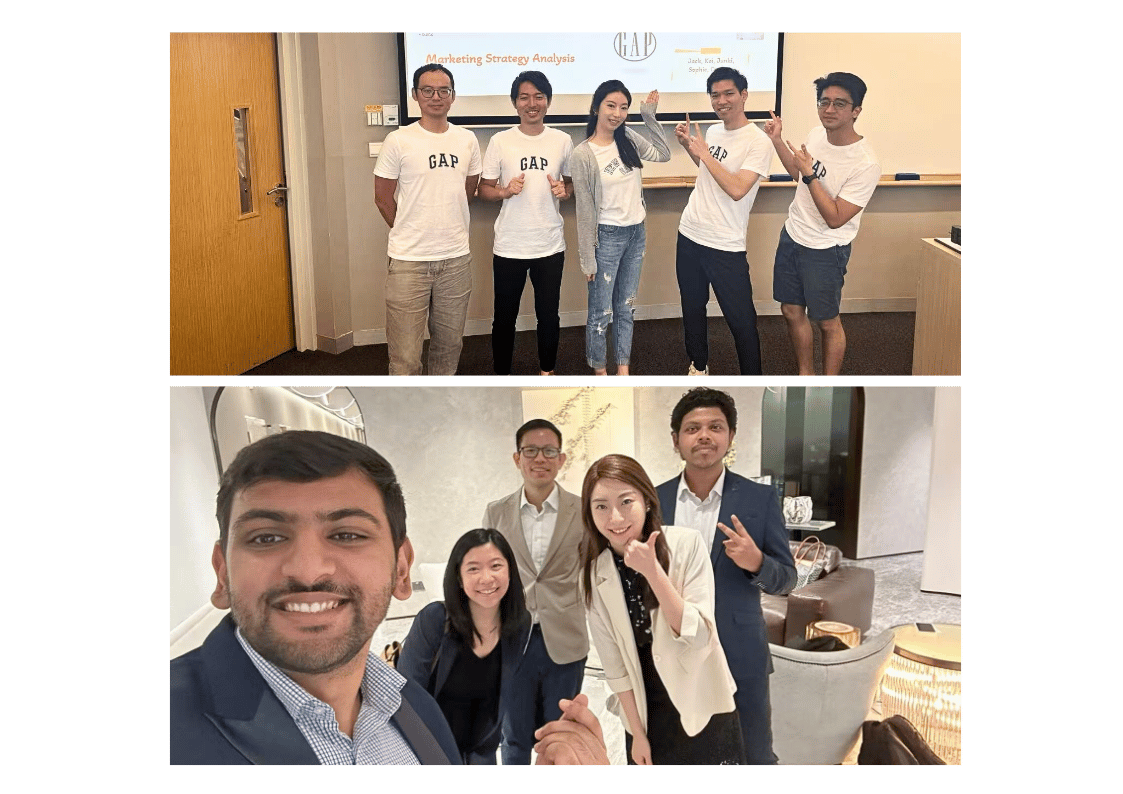
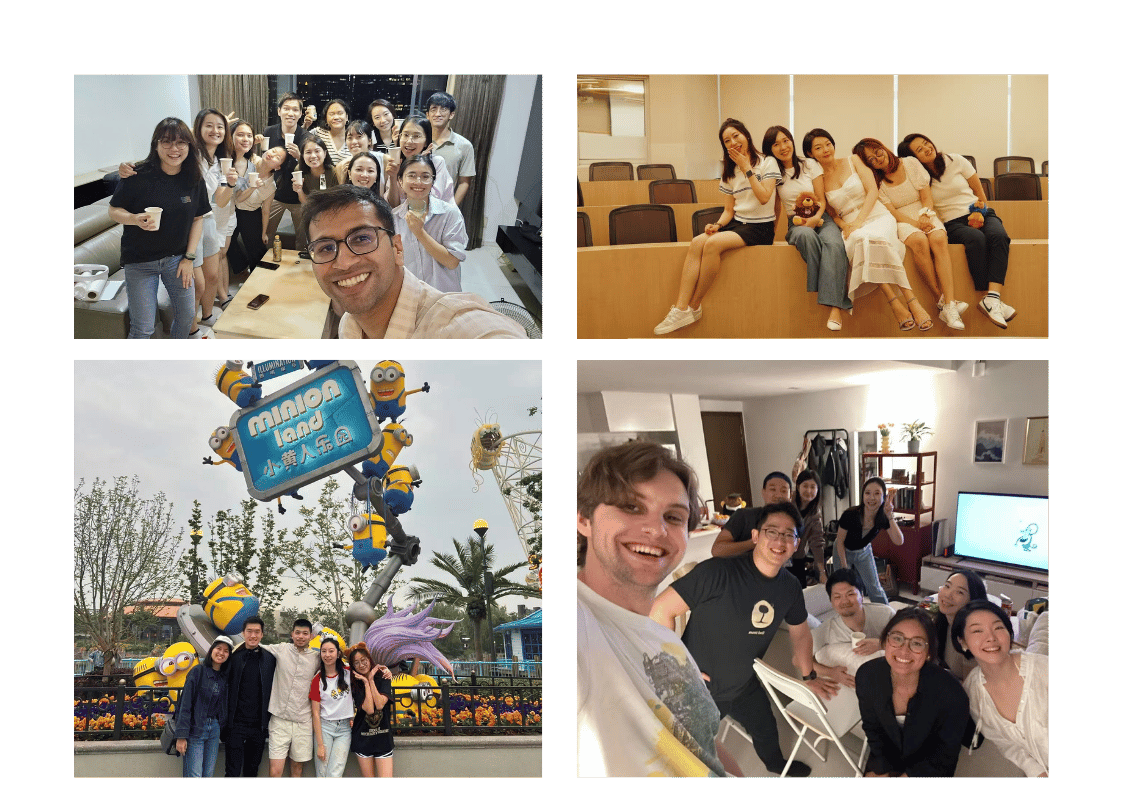
“The most meaningful learning came from being surrounded by classmates from more than 20 countries,” Sophie reflects. “Their experiences pushed me to reflect on my own assumptions and challenged me to think beyond the corporate banking lens I was used to.”
The power of exploration
Sophie approached her MBA journey with a clear intention: to see a world much bigger than the one she knew. She deliberately shaped her experience by stepping into industries far removed from banking, taking on internships in technology, consulting, and automotive innovation.
“Experiencing these different environments firsthand helped me understand what kind of work truly motivates me, and equally importantly, what doesn’t,” she explains. “That exploration gradually led to my desire to move into long-term, mission-driven work.”
This spirit of discovery extended beyond Singapore’s borders. Through the Japan Global Immersion Programme (GIP), Sophie visited companies and studied Japanese organizational culture. “It was one thing to read about Japanese management in a case study; it was entirely different to walk the factory floors and experience the culture together with classmates who saw the world through different lenses.”

Finding an authentic voice
A major shift in Sophie’s leadership style occurred within the diverse NUS classroom. In the past, she tended to hold back in fast-paced discussions unless she was certain of her point. The MBA changed how she shared her ideas.
“Surrounded by classmates from all over the world—many of whom became some of my closest friends—I was encouraged to share my thoughts, even when I didn’t have my answers perfectly formulated,” she says. “Their warmth and sincerity made it easier for me to take intellectual risks and trust my own voice.”
This newfound confidence has been invaluable in her current role at the Asian Infrastructure Investment Bank (AIIB), an international organization where she works in a highly diverse and international team with colleagues representing 24 different countries. For Sophie, leadership became less about speaking more, and more about “showing up with presence and authenticity.”
A Broader View of Asia
Before the MBA, Sophie’s understanding of Asia was largely shaped by her professional experience in China. Learning alongside an international cohort completely changed her perspective.
“I began to see how differently countries approach growth, opportunity and risk,” she notes. Through late-night discussions and project debates, she came to understand how local context – history, culture and economic realities – shapes business decisions in each market. “Most importantly, these insights didn’t come from textbooks; they came from the friends I made.”
Lessons for the future
Even as she moved back into a finance-focused role, Sophie carries specific lessons from the classroom into her daily work at AIIB. She points to two courses that continue to shape her thinking: Managerial Operations and Analysis, taught by Prof. Joel Goh – “He guided us to identify constraints and consider how operational choices reflect a broader strategy. I had never looked at businesses with such clarity before.” The second is Entrepreneurial Management, taught by Prof. Weiyi Ng – “His course opened up a completely new perspective. For the first time, I found myself thinking about what it would take to build something of my own,” she reflects.
Expanding Beyond Finance
Looking back, Sophie realizes that stepping away from the finance world actually made her a better professional within it. A common misconception is that an MBA should be a straight line to a promotion; for Sophie, the value was in the detour. By trying different industries, she returned to the sector with a clarity that only comes from firsthand experience.
“Don’t limit yourself to finance-related courses or roles,” she advises. “Take classes that feel unfamiliar and join projects outside your comfort zone. Those experiences will sharpen your judgment and help you understand your own motivations far better than staying within the same familiar environment.”
Today, as she manages infrastructure projects at AIIB, Sophie feels that an MBA was a journey of self-discovery. Her final advice? “The two years go by quickly. Use them to broaden your view of the world and to understand what you genuinely want from your next chapter.”
Sophie Zhang’s journey from corporate banking to sustainable infrastructure investment is just one example of how the NUS MBA provides the space, diversity, and flexibility to rewrite your career narrative. Whether you are looking to change industries or deepen your impact within your current field, our program offers the global perspective and regional networks to help you succeed.